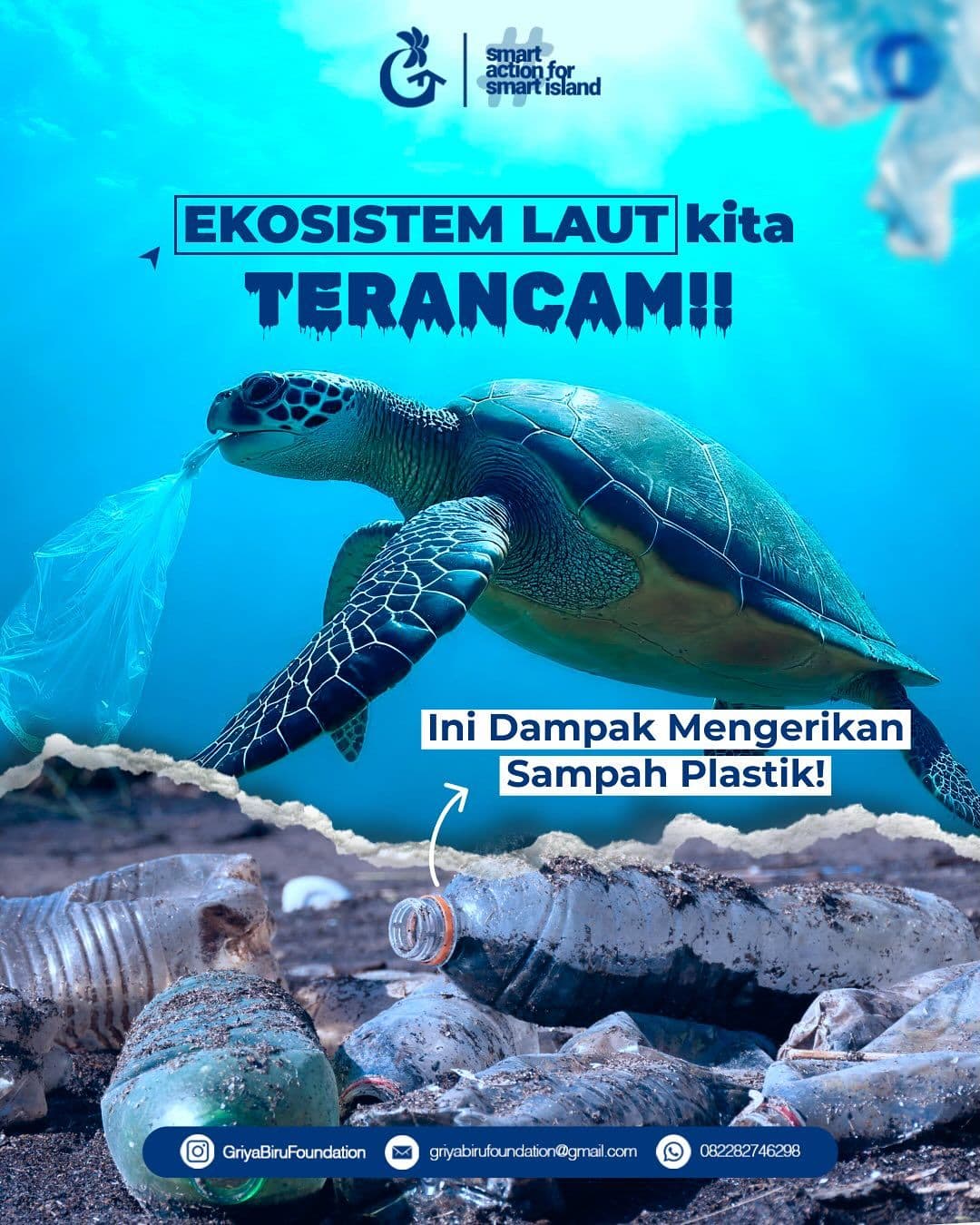
OUR MARINE ECOSYSTEM IS UNDER THREAT!! Here Are the Terrifying Impacts of Plastic Waste!
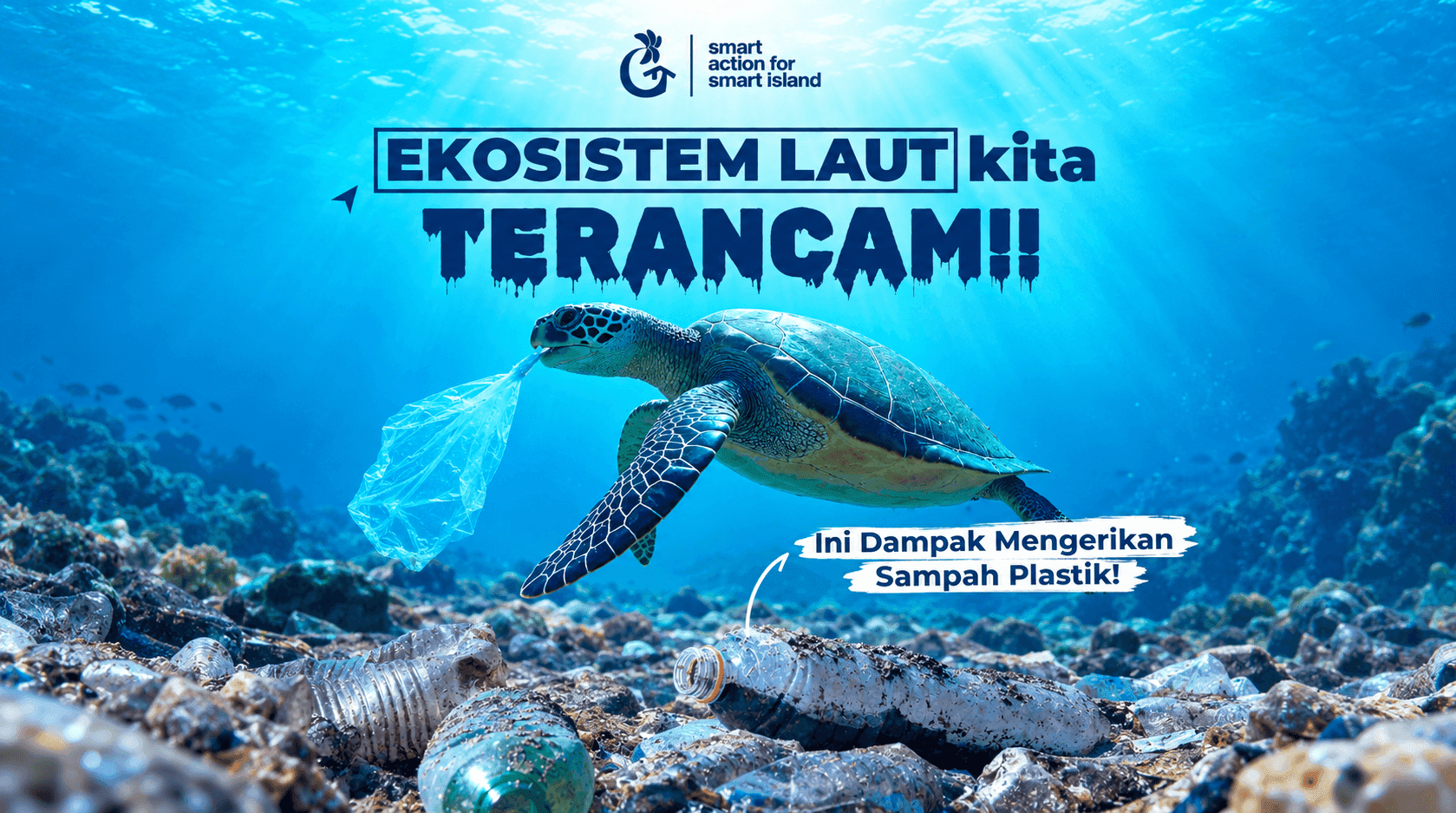
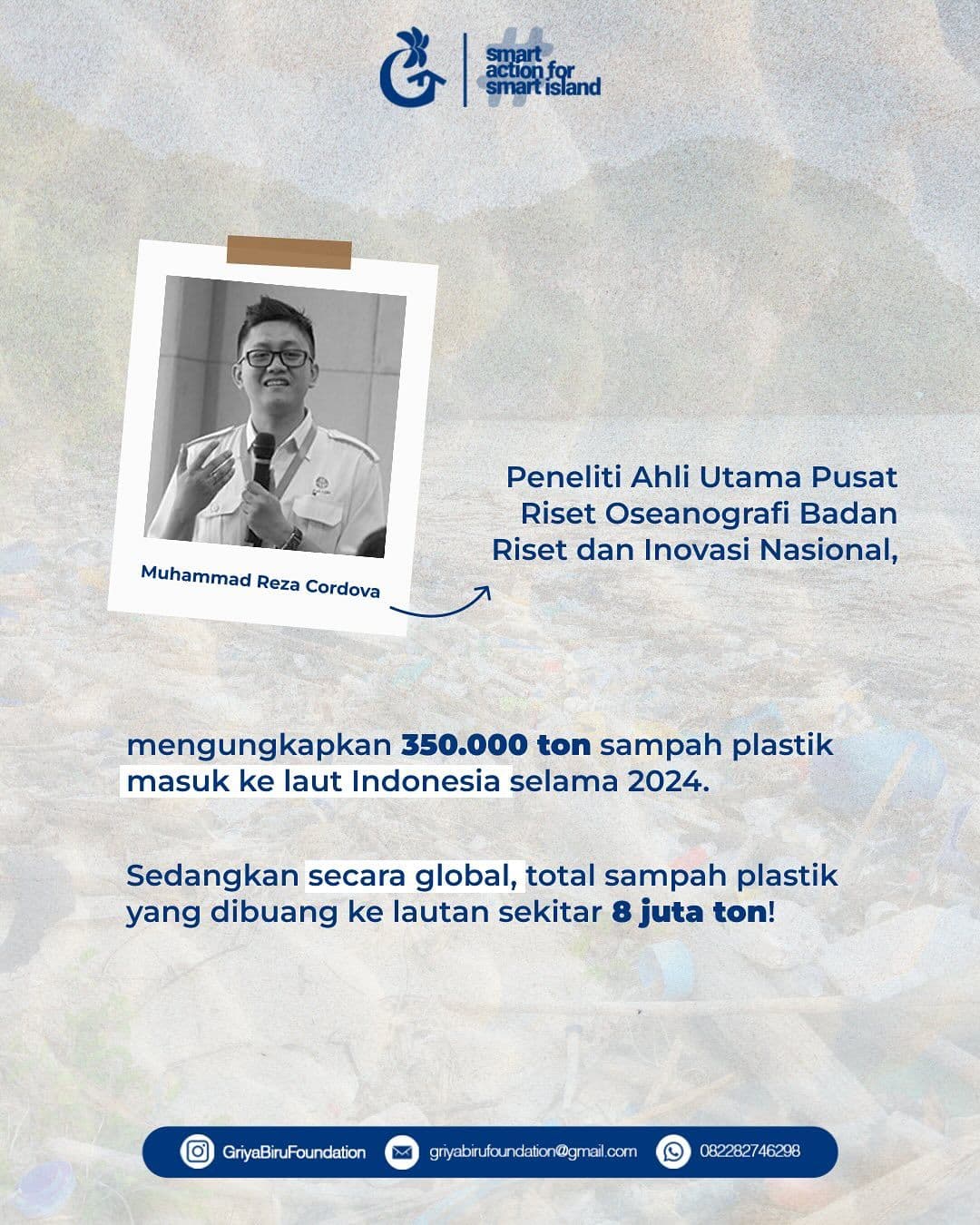
Researcher Muhammad Reza Cordova, Principal Expert Researcher at the Oceanography Research Center of the National Research and Innovation Agency (BRIN), revealed that 350,000 tons of plastic waste entered Indonesian waters during 2024. Globally, the total amount of plastic waste dumped into the oceans is around 8 million tons!
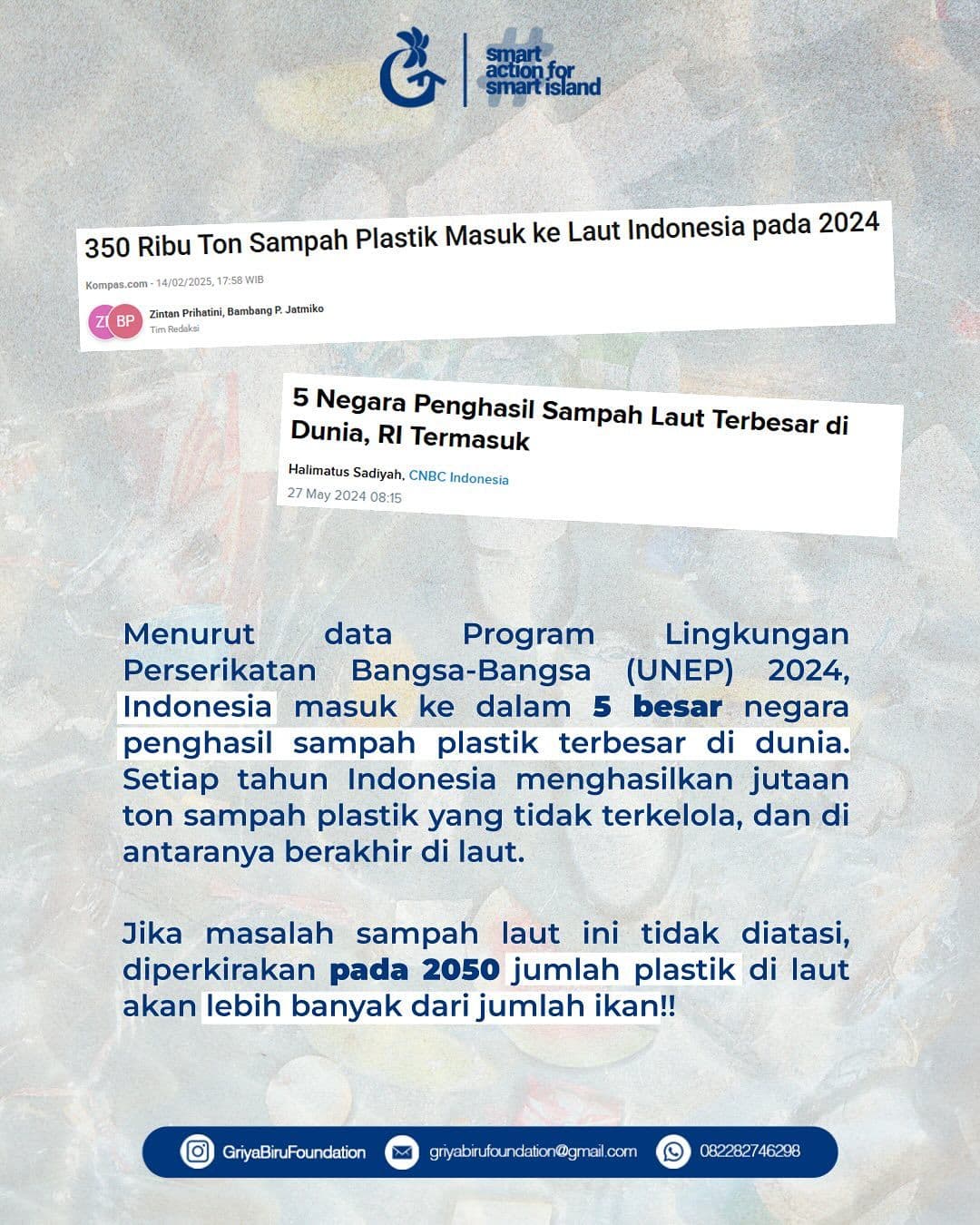
_"350 Thousand Tons of Plastic Waste Entered Indonesian Waters in 2024 (Kompas.com - 14/02/2025)"_
_"Top 5 Marine Plastic Waste Producers in the World, Indonesia Included (CNBC Indonesia - 27 May 2024)"_
According to data from the United Nations Environment Programme (UNEP) 2024, Indonesia is among the top 5 largest producers of plastic waste in the world. Every year, Indonesia generates millions of tons of unmanaged plastic waste, much of which ends up in the ocean.
If this marine plastic problem is not addressed, it is estimated that by 2050 the amount of plastic in the ocean will be even greater.
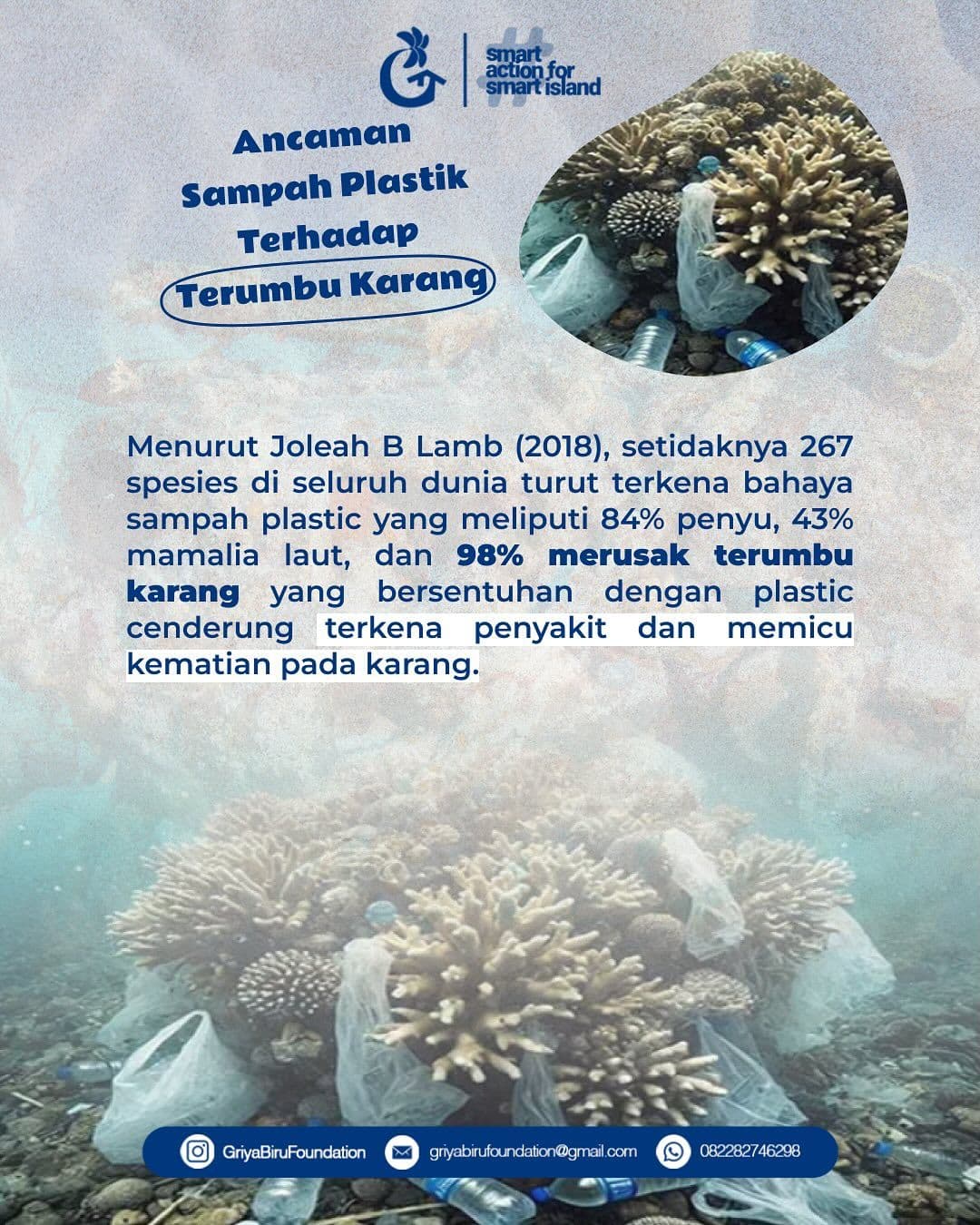
The Threat of Plastic Waste to Coral Reefs
According to Joleah B. Lamb (2018), at least 267 species worldwide are affected by the dangers of plastic waste, including 84% of sea turtles, 43% of marine mammals, and 98% of coral reefs in contact with plastic tend to contract diseases and experience coral mortality.
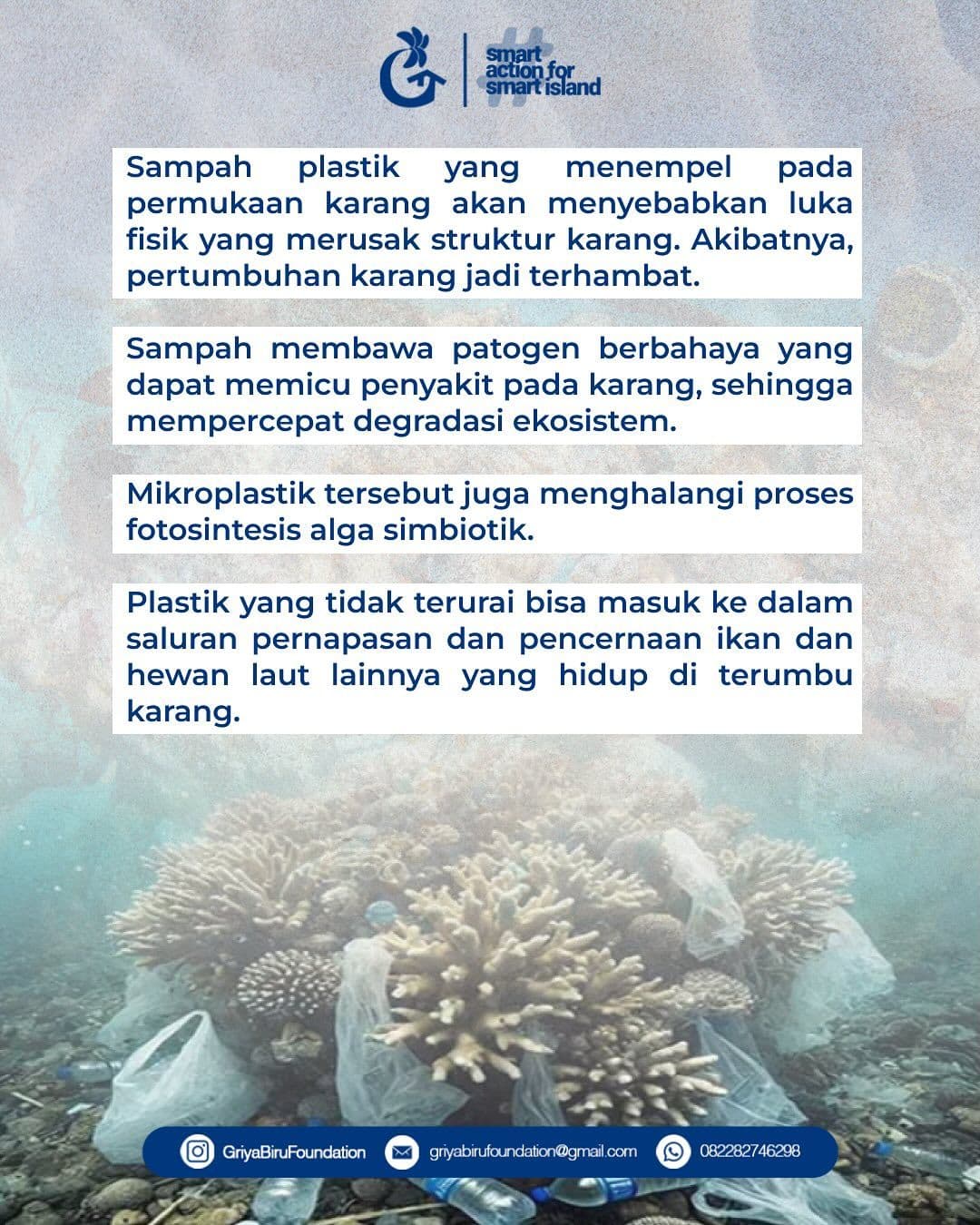
Plastic waste attached to the surface of corals causes physical damage that ruins the coral structure. As a result, coral growth is stunted.
Trash carries dangerous pathogens that can trigger diseases in corals, thereby accelerating ecosystem degradation.
Microplastics also block the photosynthesis process of symbiotic algae.
Undegraded plastic can enter the respiratory and digestive tracts of fish and other marine animals living in coral reefs.
The Threat of Plastic Waste to Mangroves
Researcher Celine van Bijsterveldt and her team (2021) stated that plastic waste adds even greater and heavier pressure than that already faced by Indonesia's mangrove swamp forests due to erosion, land subsidence, climate change, aquaculture, and development.
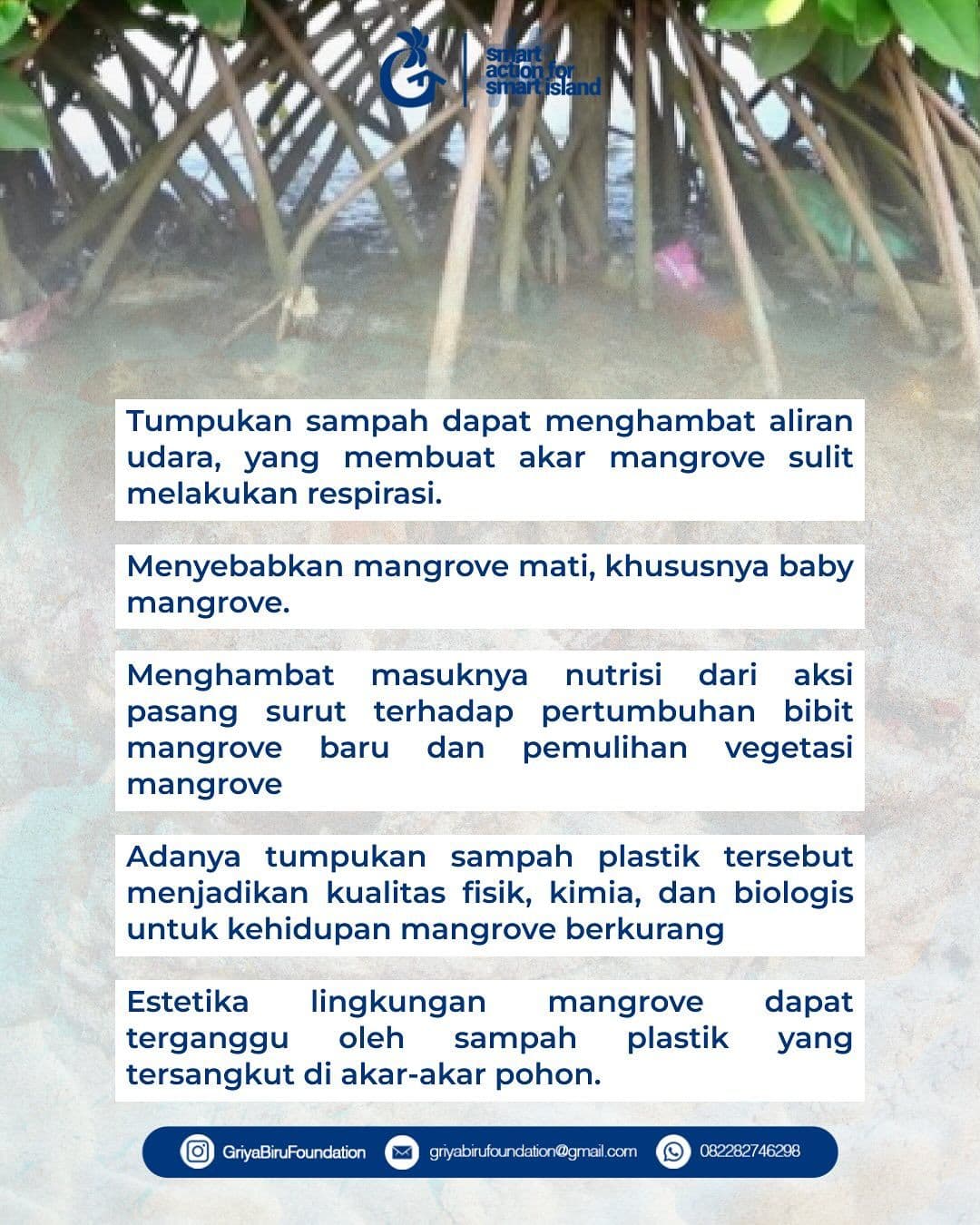
Accumulated trash can obstruct airflow, making it difficult for mangrove roots to respire.
This causes mangroves to die, particularly baby mangroves.
It hinders the intake of nutrients from tidal action for the growth of new mangrove seedlings and the recovery of mangrove vegetation.
The presence of such plastic waste piles reduces the physical, chemical, and biological quality required for mangrove life.
The environmental aesthetics of mangroves can be disrupted by plastic waste caught in the tree roots.
Peter Harris et al. (2021) found that "More than 1/2 of the world's mangrove forests are located within 20 km of river mouths that discharge >1 ton of plastic per year."
In Indonesia, geographical and hydrological conditions cause large amounts of plastic to flow to the coast and accumulate in mangrove forests.
"Smart action, plastic-free oceans"
SMART ACTIONS FOR SMART ISLAND!