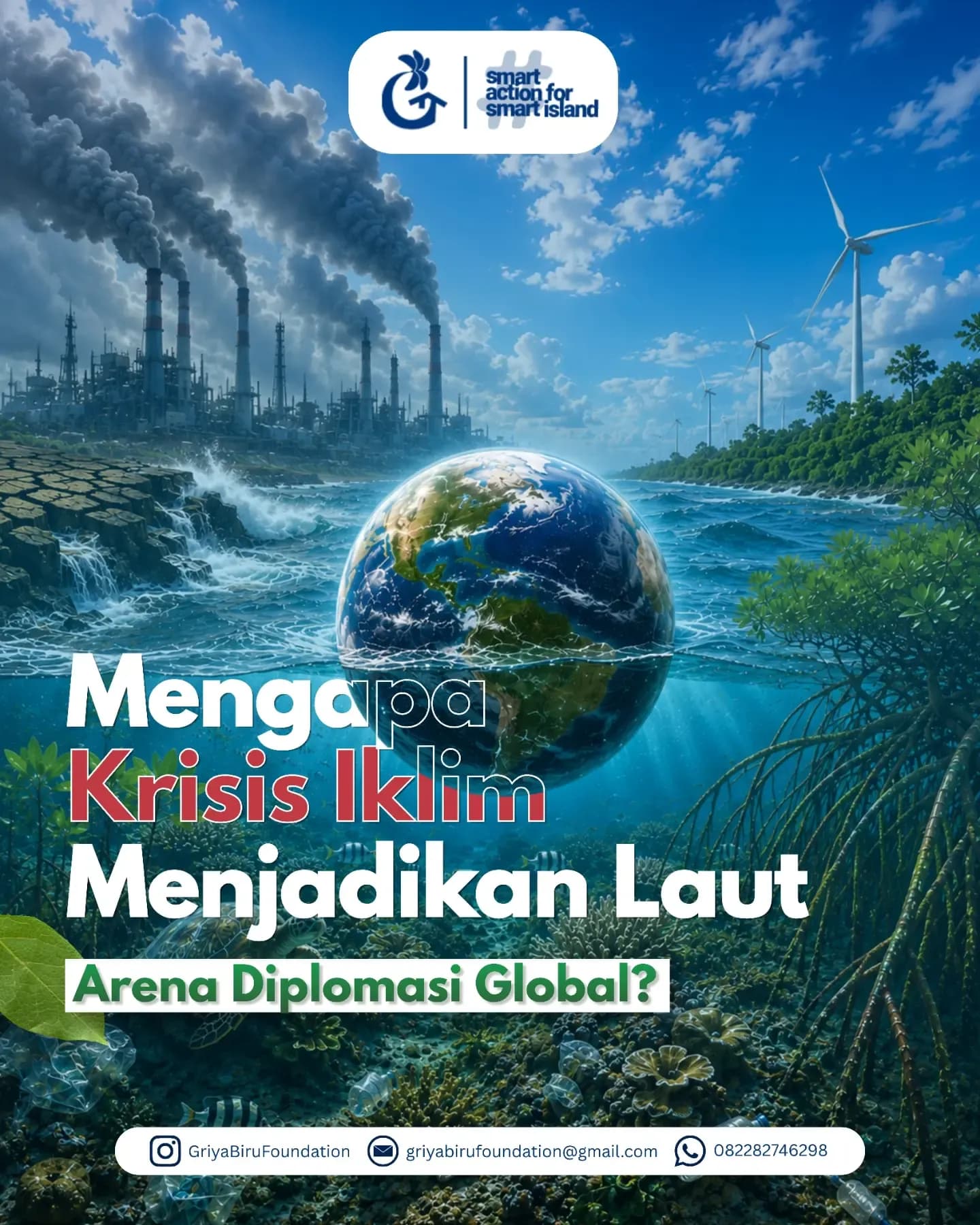
Why the Climate Crisis Makes the Ocean an Arena for Global Diplomacy

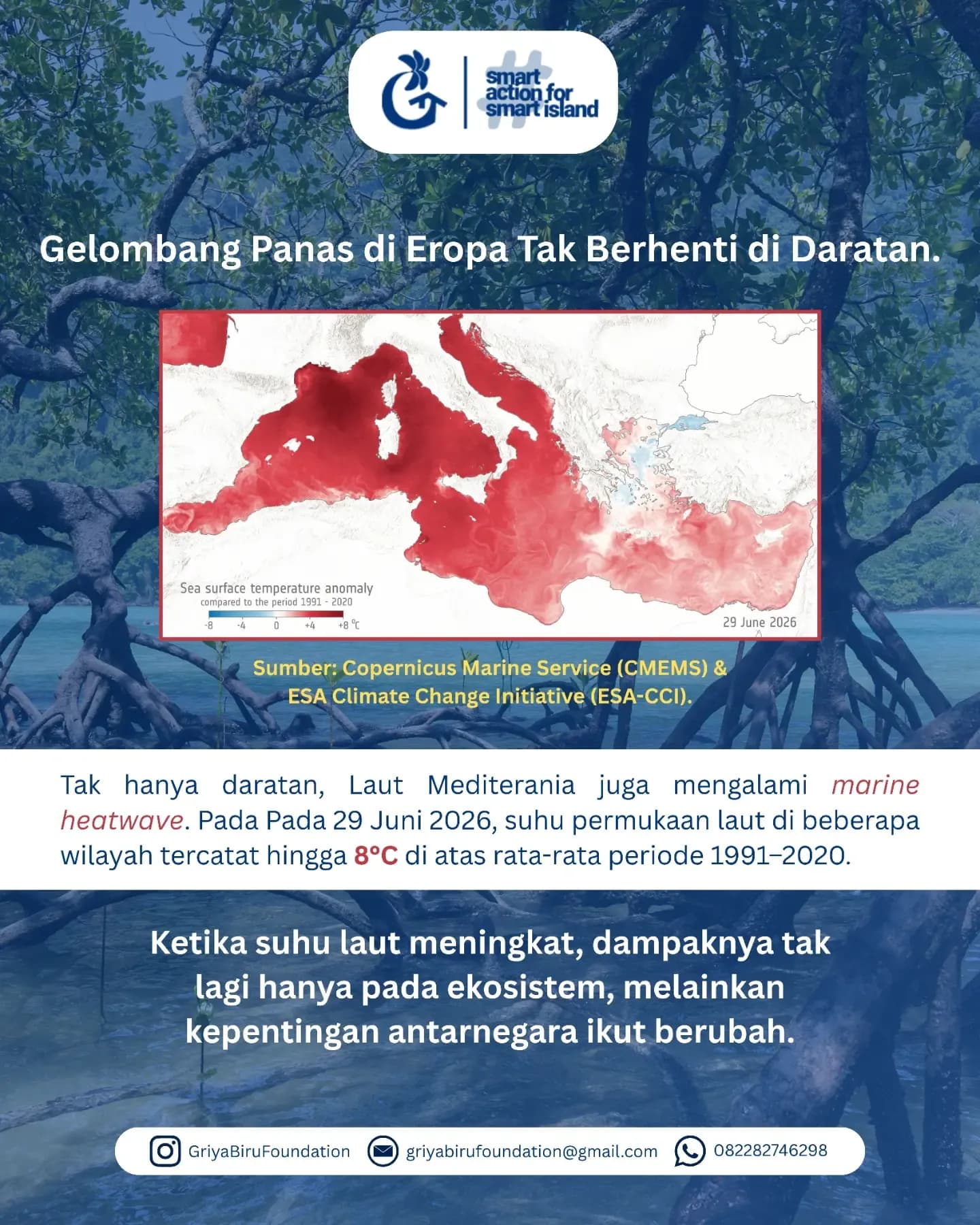
European Heatwaves Don't Stop on Land. (Copernicus Marine Service (CMEMS) & ESA Climate Change Initiative (ESA-CCI))
Not only the land, but the Mediterranean Sea is also experiencing marine heatwaves. On June 29, 2026, sea surface temperatures in several regions were recorded up to 8°C above the 1991–2020 average period.
When sea temperatures rise, the impact is no longer limited to ecosystems; rather, the interests between nations also shift.
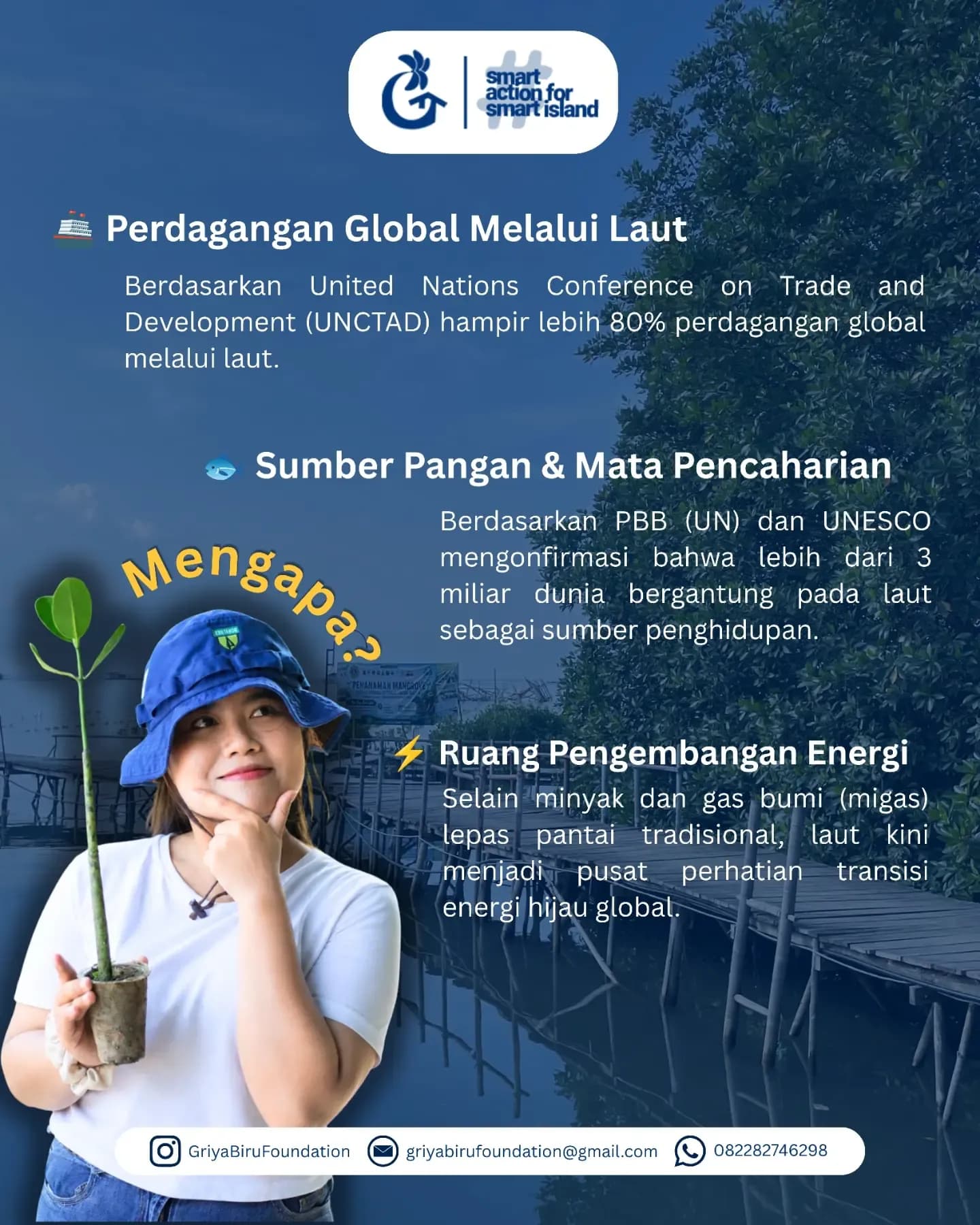
Global Trade via the Sea According to the United Nations Conference on Trade and Development (UNCTAD), nearly over 80% of global trade is conducted by sea.
Food Source & Livelihoods According to the United Nations (UN) and UNESCO, more than 3 billion people worldwide depend on the ocean as a source of livelihood.
Energy Development Space In addition to traditional offshore oil and gas (oil and gas), the ocean is now the center of attention for the global green energy transition.
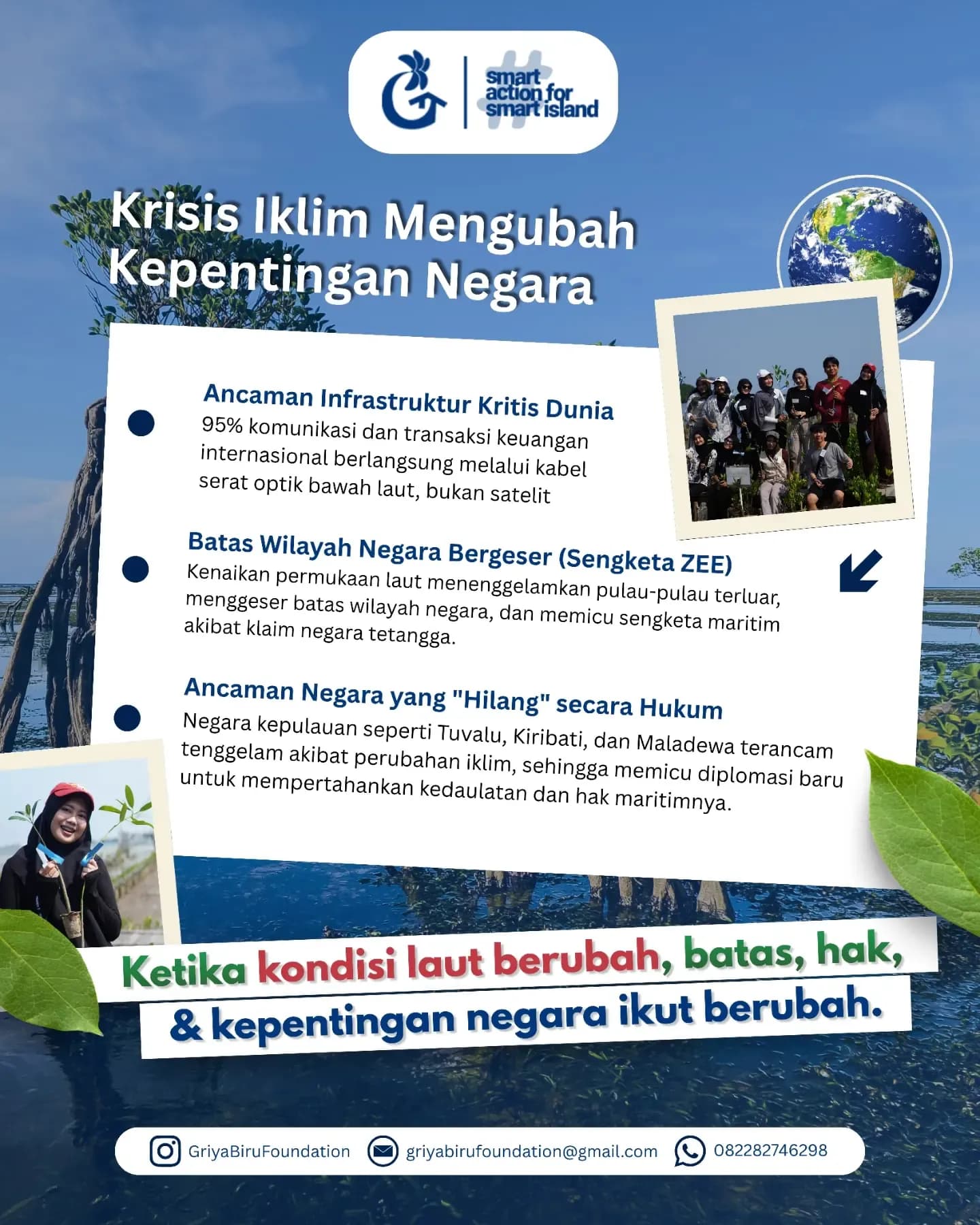
The Climate Crisis Changes National Interests
• Threats to Critical Global Infrastructure 95% of international communications and financial transactions take place via submarine fiber optic cables, not satellites.
• Shifting National Boundaries (EEZ Disputes) Sea level rise submerges outer islands, shifts national borders, and triggers maritime disputes due to claims by neighboring countries.
• Threat of Legally "Disappearing" Countries Archipelagic nations such as Tuvalu, Kiribati, and the Maldives are threatened with sinking due to climate change, triggering new diplomacy to maintain their sovereignty and maritime rights.
When ocean conditions change, national borders, rights, and interests change as well.
Why is the Ocean an Arena for Global Diplomacy? Because the climate crisis creates cross-border threats that cannot be resolved by a single country alone.
• Ocean Governance Oceans cross national jurisdictional boundaries. Therefore, their management requires international cooperation and governance so that resources remain sustainable.
• Cross-Border Negotiations The climate crisis encourages countries to negotiate transboundary fisheries management, marine area protection, and climate commitments in various international forums.
• Maritime Diplomacy Amid global geopolitical dynamics, diplomacy becomes an instrument to align economic interests, maritime security, and sustainability.
Source; Referring to the principles of international ocean governance (UNCLOS), IPCC, and the UN Ocean Conference.
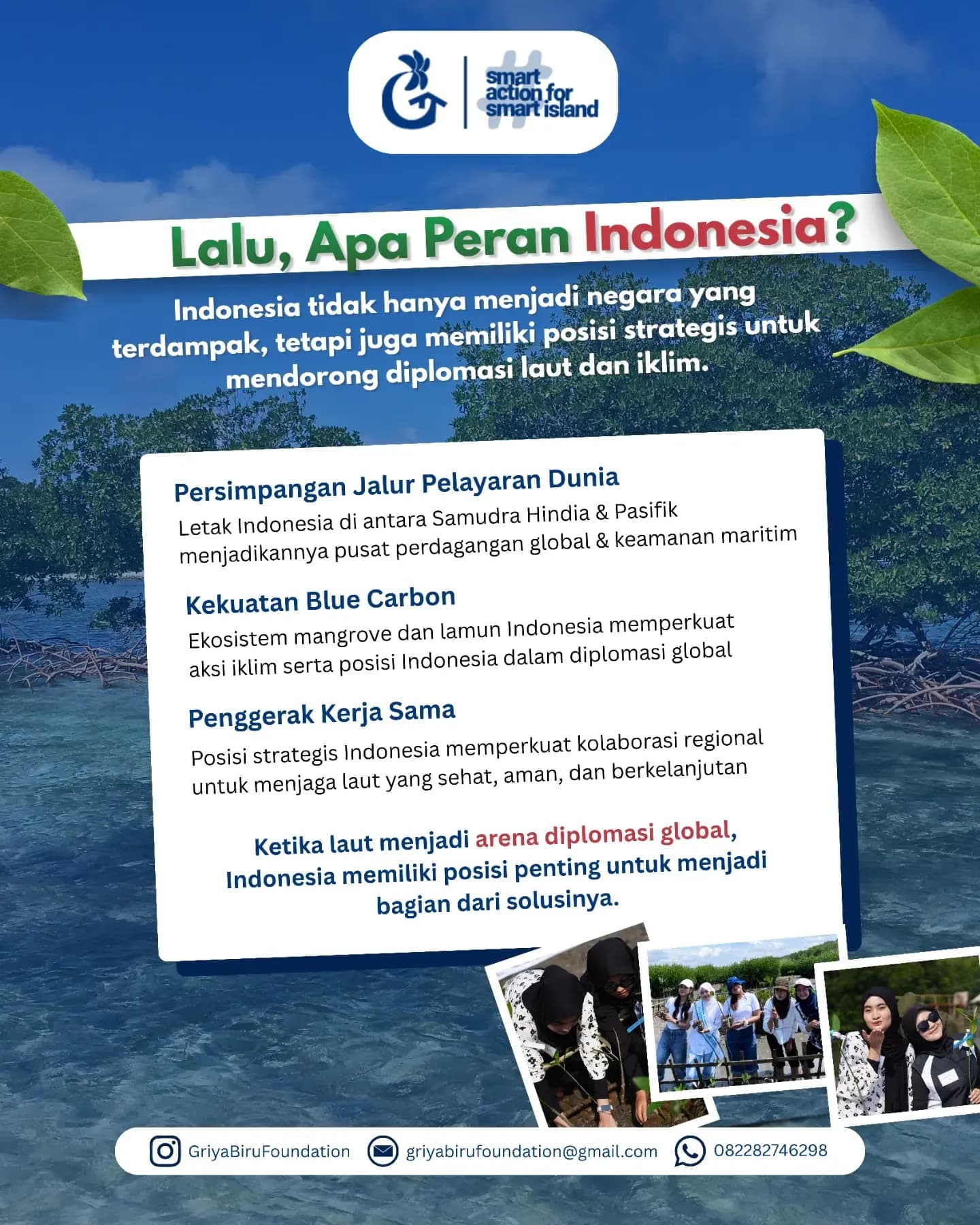
So, What is Indonesia's Role? Indonesia is not only an affected country, but also holds a strategic position to drive ocean and climate diplomacy.
• Intersection of World Shipping Lanes Indonesia's location between the Indian and Pacific Oceans makes it a hub for global trade and maritime security.
• Blue Carbon Strength Indonesia's mangrove and seagrass ecosystems strengthen climate action and Indonesia's position in global diplomacy.
• Driver of Cooperation Indonesia's strategic position strengthens regional collaboration to maintain a healthy, safe, and sustainable ocean.
When the ocean becomes an arena for global diplomacy, Indonesia holds an important position to be part of the solution.
SMART ACTIONS FOR SMART ISLAND!